
Let’s talk about death. I know, I know – not exactly the cheeriest conversation starter over morning coffee. But stick with me here, because what I’m about to share might just change how you see your entire existence.
There’s this ancient Latin phrase, Memento Mori, which literally means “remember that you must die.” Sounds pretty grim, right? Like the kind of thing you’d expect to find carved into old tombstones or whispered by mysterious hooded figures. But here’s the beautiful paradox that’s been haunting (in the best way) my thoughts lately: remembering death doesn’t make life darker – it makes it infinitely more luminous.
The Only Guarantee We’ve Got
Picture this: you wake up tomorrow morning, stretch, maybe stub your toe on that same corner of the bed you’ve been avoiding for months. You make your coffee, scroll through your phone, plan your day. But here’s the thing – tomorrow isn’t actually guaranteed. When we drift off to sleep tonight, there’s no cosmic contract promising we’ll wake up again. When we wake up, there’s no assurance we’ll see another sunset.
It sounds terrifying when you put it like that, doesn’t it? But death is the only certainty we have. Everything else – that promotion you’re chasing, the person you’re hoping will text you back, the vacation you’re planning for next year – might or might not happen. Death? That’s the only appointment we’re all guaranteed to keep.
And you know what? That makes life achingly, breathtakingly beautiful.
When Ancient Wisdom Meets Modern Overwhelm
The Romans had this practice during their triumph celebrations where a slave would whisper “Memento mori” to victorious generals during their victory parades. Imagine being at the peak of your glory – crowds cheering, confetti falling, the whole world celebrating your success – and having someone gently remind you that you’re still mortal. It wasn’t meant to be cruel; it was meant to keep perspective alive when ego threatened to take over.
I think about this whenever I catch myself getting caught up in the endless scroll of social media perfection or when I’m lying awake at 3 AM worrying about things that probably won’t matter in five years. There’s something oddly comforting about remembering that all of this – the anxiety, the ambition, the desperate need to have everything figured out – is temporary.
A Global Conversation with Death
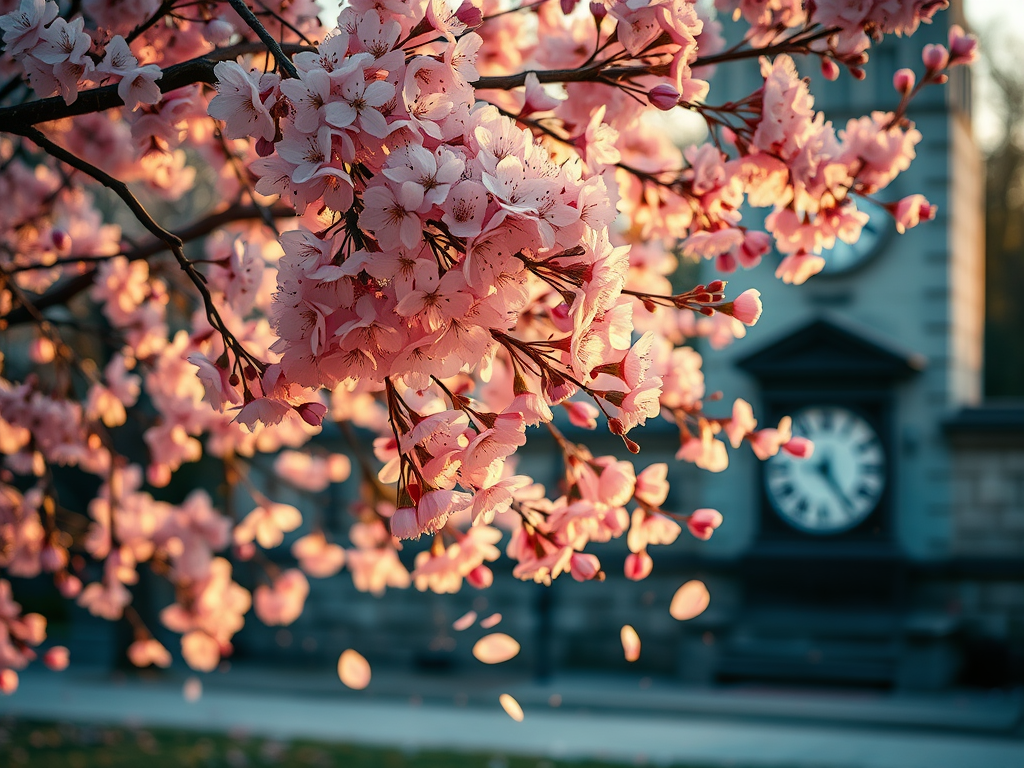
What fascinates me is how different cultures have danced with this same truth. Take the Japanese concept of mono no aware – this exquisite awareness of impermanence that finds beauty precisely because things don’t last forever. Cherry blossoms are celebrated not despite their brief blooming period, but because of it. Their fleeting nature makes each petal more precious.
Then there’s Mexico’s Día de los Muertos, which transforms fear of death into joyous celebration. Instead of hiding from mortality, families throw parties for their deceased loved ones, decorating sugar skulls and sharing stories. Death becomes not an ending but a celebration, a sweet continuation of love.
Buddhist traditions have Maranasati – mindfulness of death – where practitioners regularly contemplate their mortality not to become morbid, but to cultivate a deeper appreciation for each breath, each moment, each ordinary miracle of being alive.
Even in African traditions, death isn’t seen as a full stop but as a transition to ancestorhood, a graduation into a different kind of presence and influence.
The Art of Dying Well by Living Fully
Here’s what all these traditions seem to understand that our death-avoidant culture sometimes forgets: thinking about death isn’t about becoming obsessed with dying. It’s about becoming obsessed with living – really, truly living.
When you remember that your time here is finite, suddenly that argument you’ve been having with your best friend seems less important than the friendship itself. That grudge you’ve been carrying? It starts to feel heavy in a different way. The sunset you usually rush past on your way home? It stops you in your tracks.
I’ve started thinking of mortality awareness as life’s most honest mirror. It shows us what actually matters when all the noise falls away. It’s like having a cosmic zoom-out button that puts our daily dramas into perspective while simultaneously making each moment feel more vivid, more real, more worth savoring.
The Sweetness of Impermanence
You know that bittersweet feeling you get at the end of a perfect day? That mix of gratitude and gentle sadness knowing it won’t last forever? That’s mono no aware – and it’s exactly what I’m talking about. The knowledge that something is temporary doesn’t diminish its beauty; it amplifies it.
Think about your favorite song. Part of what makes it so moving is that it has an ending. If it played forever, it would lose its power to transport you. The same is true for life. Our mortality isn’t a bug in the system – it’s a feature. It’s what gives weight to our choices, meaning to our connections, and urgency to our dreams.
Death as the Ultimate Teacher
Every wisdom tradition I’ve encountered treats death not as life’s enemy but as its teacher. The Stoics saw it as a reminder to live virtuously. Hindus view it as a transition in the soul’s eternal journey. Native Americans see it as part of the sacred circle of existence.
What they all understand is this: we are beings who must confront our mortality to fully embrace our vitality. It’s only when we accept that our time is limited that we start to use it intentionally.
Making Friends with the Inevitable
So how do we live with this knowledge without becoming paralyzed by existential dread? How do we remember death without letting it eclipse life?
I think it starts with shifting our relationship with uncertainty. Instead of seeing our mortality as a threat, we can see it as an invitation – an invitation to be present, to love deeply, to forgive quickly, to chase dreams that matter rather than just ones that impress.
It’s about finding the sweet spot between acceptance and action, between planning for the future and being fully present in today. It’s about loving fiercely while holding lightly, investing deeply while remaining unattached to outcomes.
The Gift of Perspective
There’s something liberating about accepting that we’re all just temporary visitors here. It takes the pressure off having to be perfect, to have everything figured out, to leave behind some grand legacy. Instead, it invites us to be fully human – messy, beautiful, imperfect, and gloriously alive.
When I remember that death is the only guarantee, it doesn’t make me feel small or insignificant. It makes me feel part of something vast and mysterious, connected to every human who has ever lived and died, part of an ancient conversation about what it means to be mortal and magnificent simultaneously.
A Love Letter to Our Finite Lives
So here’s to remembering death not as a morbid obsession but as life’s greatest teacher. Here’s to letting our mortality make us kinder, braver, more present. Here’s to finding beauty in impermanence and meaning in our shared fragility.
Tomorrow isn’t guaranteed – and that’s exactly what makes today so precious. Every breath is borrowed time, every connection a small miracle, every ordinary moment an extraordinary gift.
In remembering that we must die, we remember, paradoxically, how to truly live. And maybe that’s the most beautiful thing of all.
Leave a Reply