
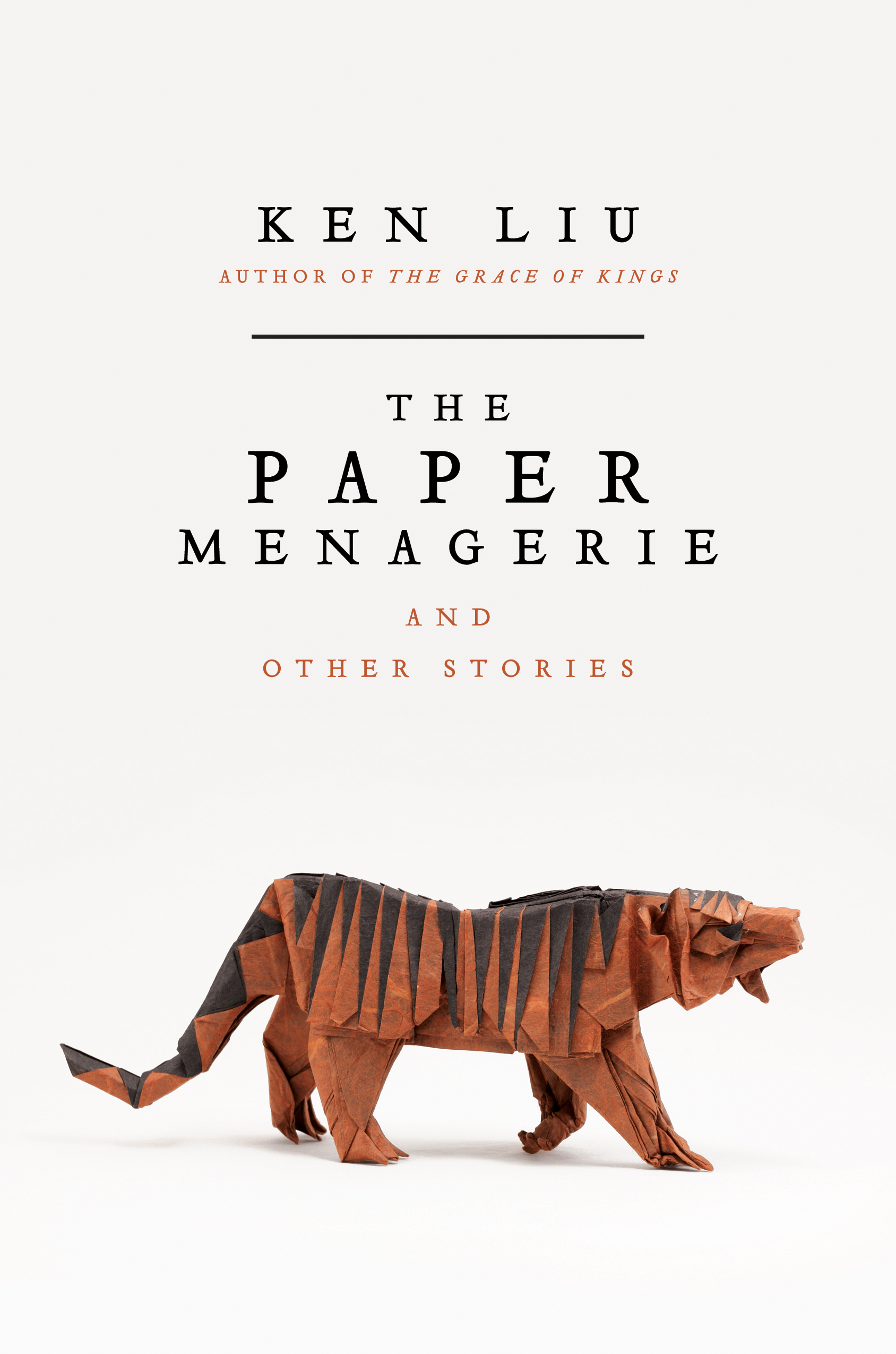
Ken Liu’s “The Paper Menagerie and Other Stories” isn’t your typical science fiction collection. While it certainly delivers on spaceships and magical creatures, what makes this book special is how Liu uses fantastical elements as a lens to explore deeply human stories. After hearing the title story on a podcast and finding it on my British Council reading list, I dove into this Hugo and Nebula Award-winning collection—and discovered both my new favorite stories and some hard truths about my reading preferences.
The Standout Stories
Several stories in this collection left me genuinely moved and thinking long after I’d finished reading. “The Book Making Habits of Select Species” is a masterclass in world-building disguised as an anthropological study. Liu presents various alien species and their unique approaches to creating books, but by the end, he weaves all these seemingly disparate civilizations together in a way that’s both surprising and inevitable.
“State Change” hit me on a philosophical level I wasn’t expecting. The story follows a girl who’s been told her life is tied to keeping an ice cube from melting—a burden she carries for years until she finally lets go. When the cube melts and she doesn’t die, she realizes death might just be another state change, not an ending. It’s a simple concept that completely reframed how I think about mortality and the fears we carry unnecessarily.
“The Perfect Match” feels unnervingly relevant in our current age of digital assistants and data privacy debates. Liu explores whether privacy is truly valuable or if we’d be better off letting technology know us better than we know ourselves. It’s the kind of story that makes you glance suspiciously at your phone.
But “Good Hunting” is where Liu truly shines. This story (which was later adapted into an episode of Netflix’s “Love, Death + Robots”) follows a mythical fox girl and an orphaned boy who becomes skilled with machines. What starts as a tale about magic being destroyed by industrialization becomes something more complex—showing how technology might actually restore magic in a different form. The way Liu tells this story is absolutely captivating.
The title story, “Paper Menagerie,” lives up to its reputation as an award winner. It’s emotionally devastating and magical in equal measure, using the fantastical elements not as the focus but as a vehicle for exploring family, identity, and loss.
“The Waves” and “Mono no aware” work together as companion pieces set in the same universe where Earth faces destruction and humanity sends a ship to save our species. Both stories center on sacrifice and what it means to preserve something larger than yourself.
Where the Collection Stumbles
Not every story worked for me, and reading this collection taught me something valuable about my own preferences. Several stories are written in a historical fiction style with fantasy or sci-fi elements woven in. While these are clearly well-crafted, they’re also quite long, and I found myself struggling to get through them. The documentary-style approach that Liu sometimes employs just doesn’t click with my reading brain, even when dragons or time travel are involved.
I probably should have just skipped these stories rather than forcing myself through them, but I’m glad I persevered because it clarified something important: I prefer my speculative fiction to use the fantastical elements as the primary vehicle for storytelling, not as flavoring for other genres.
What Makes This Collection Special
What I appreciate most about Liu’s approach is how the fantasy and sci-fi elements serve the characters rather than overshadowing them. These aren’t stories about cool technology or magical systems—they’re stories about people who happen to encounter these elements. The speculative aspects become ways to explore identity, sacrifice, change, and what it means to be human.
Liu also brings perspectives that are often absent from Western science fiction and fantasy. His characters and settings draw from Chinese culture and other non-European traditions, adding richness and authenticity that makes even familiar themes feel fresh.
Final Thoughts
“The Paper Menagerie and Other Stories” is a collection that rewards readers willing to engage with stories that blur genre boundaries. While not every story will resonate with every reader (as I learned firsthand), the best stories in this collection are genuinely exceptional. Liu has a gift for using the impossible to illuminate the possible, and for finding the extraordinary in ordinary human experiences.
If you enjoy science fiction and fantasy that prioritizes character development and emotional depth, and especially if you’re interested in perspectives beyond the typical European and American voices that dominate the genres, this collection deserves a spot on your reading list.
Leave a Reply